Artificial flowers have gained immense popularity in the world of home décor and floral arrangements. Once considered a tacky substitute for real flowers, they have come a long way in terms of quality and design, and are now a preferred choice for many.
The history of artificial flowers can be traced back to ancient Egypt where they were made of feathers or painted linen. Later, in the early 12th century, Venetian glassmakers began crafting flowers made of glass. These were expensive and not widely available, but it marked the beginning of the use of artificial flowers in decoration.
In the 18th century, French manufacturers began making artificial flowers out of silk. These flowers were intricate, with well-crafted details that made them almost indistinguishable from the real thing. The popularity of silk flowers spread to England where they became a favorite among aristocrats who could afford to decorate their homes with them.
In the 19th century, the invention of the sewing machine made production of artificial flowers more efficient and cost-effective. As a result, artificial flowers became more widely available and affordable to the general public.
The demand for artificial flowers peaked during the 20th century when several factors contributed to their popularity. One of them was the rise of the travel industry. People began to travel more, and it was not always practical to carry fresh flowers with them for decoration. Artificial flowers were a convenient alternative. They were also favored by designers and decorators who wanted a flower that would not wilt, fade or shed, and that could be easily manipulated for various design purposes.
Another factor was the increase in the number of people living in urban areas where space for gardens was limited. Artificial flowers provided a way for people to bring color and beauty into their homes without the maintenance and space requirements of real flowers. They could be used both indoors and outdoors with equal effectiveness.
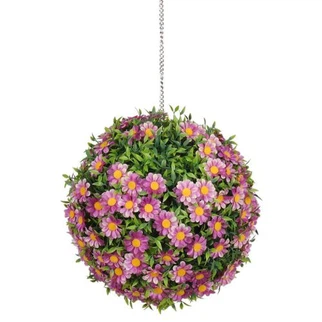
Today, artificial flowers are available in a wide range of materials, including silk, polyester, foam, and paper. They come in an array of colors, shapes, and sizes, from simple blooms to intricate arrangements. They are popular for a myriad of applications, from wedding bouquets to home décor, from table centerpieces to office lobbies.
In many ways, the increasing popularity of artificial flowers can be attributed to its ability to evoke the same emotions that real flowers do. They add color, beauty, and a touch of nature to any setting. They are also cost-effective and convenient, requiring little to no maintenance while retaining their freshness and beauty for years. Most importantly, they provide a practical and versatile way to bring the beauty of flowers into our daily lives.
In conclusion, artificial flowers have come a long way from their humble beginnings as a substitute for the real thing. They have established themselves as a viable alternative to real flowers, offering a host of benefits in terms of convenience, durability, and versatility. It is no wonder that they have become so popular among decorators, designers, and home-makers alike. With the increasing quality and variety available, artificial flowers are set to continue gaining popularity in the years to come.