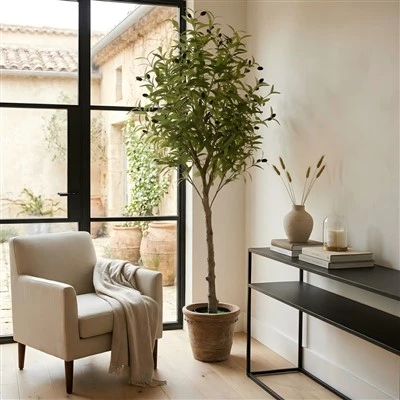
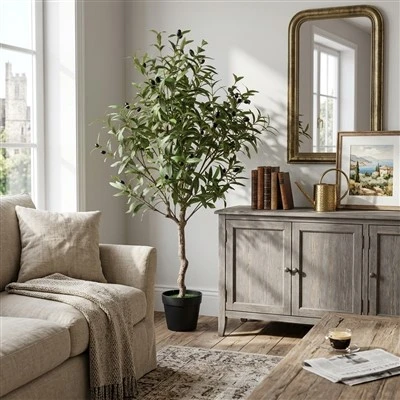
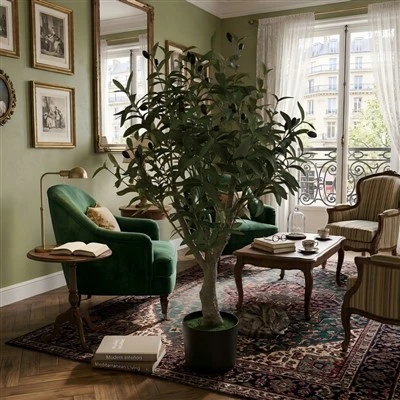
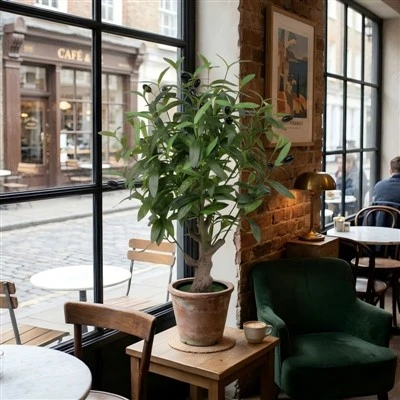
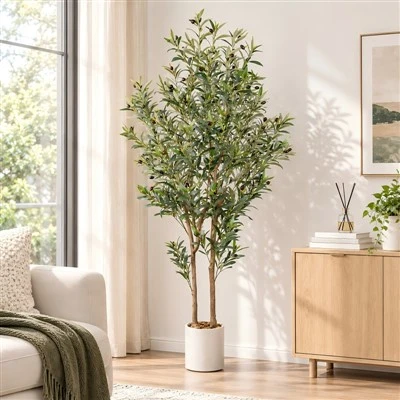
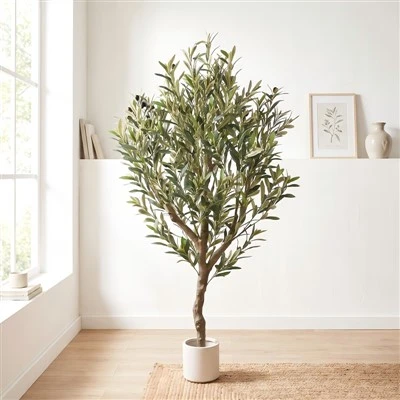
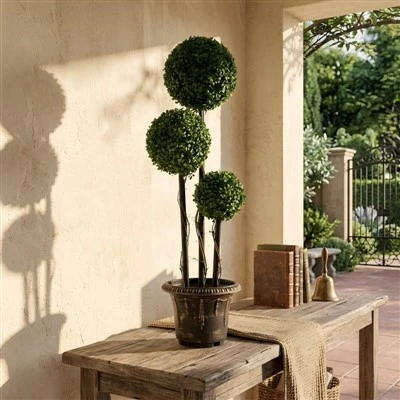
Artificial trees are synthetic products that imitate the appearance and structure of natural trees, and are often used for decoration, landscaping, or environmental purposes. Artificial trees can be made from various materials, such as metals, plastics, fabrics, or wood. However, the most common material used for artificial trees is plastic, especially polyvinyl chloride (PVC) or polyethylene (PE).
PVC and PE are both types of thermoplastic polymers that can be molded into different shapes and colors. PVC is the older and cheaper material, and it is usually used to make the needles of artificial trees by cutting thin strips of PVC sheets and attaching them to metal wires. PVC needles are flat and stiff, and they can retain their color for a long time. However, PVC also has some disadvantages, such as being prone to shedding, emitting toxic gases when burned, and containing harmful chemicals such as lead or phthalates.
PE is the newer and more expensive material, and it is usually used to make the branches and needles of artificial trees by injecting molten PE into molds that are cast from real trees. PE branches and needles are more realistic and flexible, and they can mimic the texture and variation of natural trees. PE also has some advantages over PVC, such as being more durable, fire-resistant, and eco-friendly.
Some artificial trees may use a combination of PVC and PE materials to create a balance between cost and quality. For example, some artificial trees may use PE for the outer branches and PVC for the inner branches, or use PE for the tips of the needles and PVC for the base of the needles. Some artificial trees may also use other materials to enhance their appearance or performance, such as flocking to create a snow-covered effect, or fiber optics to create a lighting effect.
Artificial trees are widely available in different sizes, shapes, styles, and prices. They can be used for various occasions and settings, such as Christmas, Halloween, weddings, parties, offices, homes, gardens, parks, etc. Artificial trees can also have various benefits over natural trees, such as requiring less maintenance, being more convenient and safe, and saving resources and environment. However, artificial trees also have some drawbacks, such as being less authentic and biodegradable.