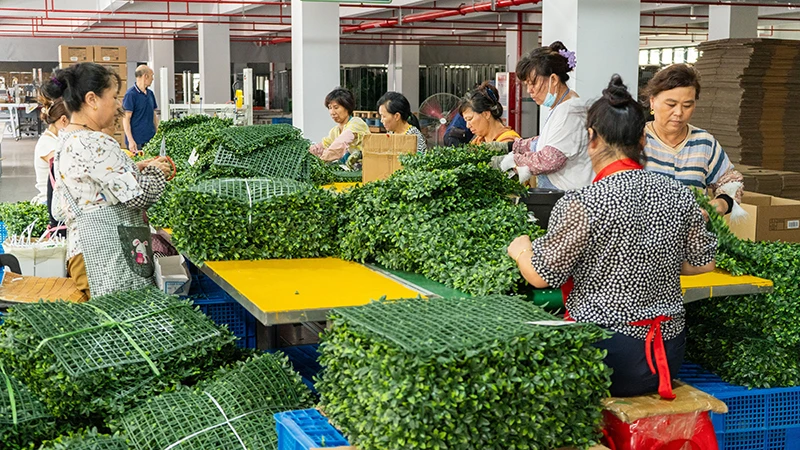
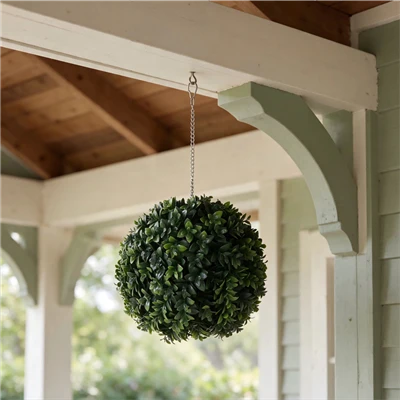
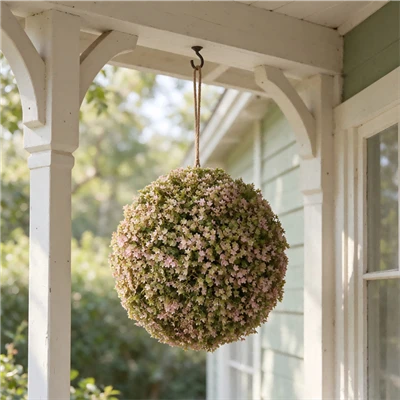
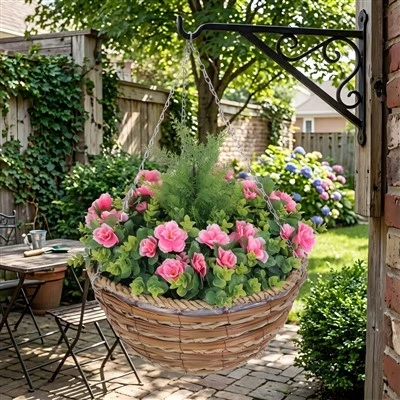
Creating a green wall with artificial hedge panels is a practical way to introduce greenery into indoor and outdoor spaces without the maintenance requirements of natural plants. From selecting suitable foliage styles and panel dimensions to preparing the wall surface and securing each section, every stage affects the final appearance and installation result. Whether you are decorating a commercial building, upgrading a garden fence, or designing an interior feature wall, understanding the materials, installation methods, and product specifications will help you plan the project more effectively. This guide explains how to create an artificial hedge green wall, from initial preparation to final installation and maintenance.

What Is an Artificial Hedge Green Wall?
An artificial hedge green wall is a decorative vertical surface made by attaching artificial hedge panels or greenery rolls to a wall, fence, or supporting frame. It provides continuous green coverage without requiring soil, irrigation systems, or regular plant pruning.
Artificial hedge products are available in different leaf styles, colors, panel structures, and coverage formats. Common options include boxwood panels, artificial ivy panels, and mixed-foliage hedge panels. Each type creates a different visual effect and can be selected according to the architectural style and intended application.
Artificial hedge green walls are commonly installed in:
- Commercial building facades and entrance areas
- Restaurant, hotel, and retail interior walls
- Residential garden walls and balcony partitions
- Outdoor fences and courtyard boundaries
- Exhibition booths and event decoration backgrounds
What Materials Are Needed to Create an Artificial Hedge Green Wall?
Before installation, prepare the artificial greenery products and suitable mounting accessories. The required materials depend on the wall surface, panel structure, and whether the installation is indoors or outdoors.
|
Material |
Function |
|---|---|
|
Artificial Hedge Panels |
Cover the wall surface and create the green appearance |
|
Mounting Grid or Wire Mesh |
Provide a supporting structure for panel attachment |
|
Screws and Wall Plugs |
Secure the mounting structure to the wall |
|
Cable Ties |
Connect hedge panels to mesh or adjacent panels |
|
Measuring Tape |
Measure wall dimensions and panel coverage |
|
Cutting Tools |
Trim panels around edges, corners, and openings |
For concrete or brick walls, screws and wall plugs can be used to secure a supporting grid. For existing metal fences or wire mesh, cable ties may provide a more direct attachment method.
The mounting accessories should be selected according to the wall material and installation conditions rather than using the same fixing method for every project.
How to Choose the Right Artificial Hedge for Your Green Wall?
Selecting the appropriate artificial hedge is important because the leaf structure, panel dimensions, and material properties affect the finished appearance and installation process.
Different artificial hedge styles create different visual effects.
Boxwood Hedge: Small, closely arranged leaves create a compact appearance suitable for decorative walls and privacy screens.
Artificial Ivy Panels: Trailing leaf arrangements create a layered appearance for interior feature walls, balconies, and garden decorations.
Mixed Foliage Hedge: Different leaf shapes and textures create a more varied surface for landscape and commercial decoration projects.
Leaf density should be considered alongside the intended viewing distance and coverage requirements.
Artificial hedge panels are available in different dimensions and connection designs. Larger panels can reduce the number of connection points, while smaller panels may be easier to arrange around corners and irregular wall sections.
Check the panel dimensions, backing structure, and connection clips before calculating the required quantity.
Green shades can vary between product styles and production batches. For large wall installations, confirm the color and leaf arrangement through samples before placing a bulk order.
For outdoor green walls, check whether the artificial foliage uses UV-resistant materials. Direct sunlight, temperature changes, and prolonged outdoor exposure can affect color retention and material condition.
The product's UV specifications and intended exposure conditions should be reviewed before installation.
How to Install Artificial Hedge Panels on a Wall?
Once the materials and wall surface are ready, follow a systematic installation process.
Use a measuring tape and marking tool to identify the panel boundaries. Starting from one corner or the bottom edge helps maintain consistent alignment throughout the installation.
For solid walls, install a mounting grid or wire mesh using suitable screws and wall plugs. The supporting structure should be firmly attached and positioned to distribute the panel load across multiple fixing points.
For existing fences, check whether the fence mesh can support the artificial hedge panels directly.
Position the first panel against the supporting structure. Use cable ties, clips, or other compatible fasteners to secure the panel backing.
Pay attention to the panel edges and connection points. The fasteners should hold the panel firmly without damaging the plastic backing or deforming the foliage.
Align the next panel with the installed section. Connect the backing structures using the manufacturer's connection system or suitable cable ties.
Continue across the wall while checking the alignment of each row. Avoid leaving unnecessary gaps between adjacent panels.
Use appropriate cutting tools to adjust panel dimensions around wall edges, corners, windows, and other obstacles.
Cutting should be performed on the backing structure where possible, rather than unnecessarily cutting through the visible foliage.
Check the entire surface for loose connections, exposed backing, uneven panel alignment, and visible gaps. Adjust the foliage manually to distribute the leaves and create a more continuous appearance.
How to Create a Natural-Looking Green Wall Without Visible Gaps?
A green wall can look artificial when panel joints, backing grids, or repeated leaf patterns are too noticeable. Several installation details can help improve the finished appearance.
Stagger Panel Joints
Avoid aligning all vertical joints in the same straight line. Staggering panel connections between adjacent rows helps reduce the appearance of repeated rectangular sections.
Check Leaf Direction
Some artificial hedge panels have a specific foliage orientation. Keep the leaf direction consistent during installation to prevent noticeable differences in texture and appearance.
Fill Connection Areas
After connecting the panels, spread the surrounding foliage over the joint areas. This helps cover exposed backing structures and reduces visible connection lines.
Handle Corners Carefully
For external corners, internal corners, and wall edges, measure the required dimensions before cutting. Small adjustments can prevent uncovered sections and unnecessary overlapping.
Consider Color Consistency
When installing multiple panels, check that their green shades and foliage arrangements are visually consistent. For large projects, using samples from the intended production batch can help reduce noticeable differences.
How to Maintain an Artificial Hedge Green Wall?
Artificial hedge walls do not require watering, fertilizing, or pruning, but periodic maintenance is still necessary, especially in outdoor environments.
Remove Surface Dust: Use a soft brush or suitable cleaning equipment to remove dust accumulated between the leaves.
Clean Localized Stains: Use water and a suitable cleaning method according to the product material specifications.
Inspect Fixing Points: Check cable ties, screws, clips, and supporting grids for looseness.
Check Outdoor Exposure: Examine panels for changes caused by prolonged sunlight, wind, or temperature fluctuations.
Replace Damaged Sections: If individual panels become damaged, replace the affected sections rather than dismantling the entire green wall.
For commercial installations, a periodic inspection schedule can help identify loose panels and damaged connections before they affect larger areas.
Why Choose Ruopei for Artificial Hedge Green Wall Projects?
Selecting artificial hedge products for a green wall involves more than choosing a particular leaf style. Panel dimensions, foliage structure, installation requirements, and project specifications all influence the final result.
Ruopei provides artificial greenery product options for different decorative and landscaping applications.
Different projects require different foliage appearances. Ruopei offers artificial greenery options in various styles, including boxwood, ivy, and other hedge designs.
These product variations allow customers to select foliage according to the desired visual effect, from compact green surfaces to layered leaf arrangements.
Wall dimensions and installation layouts vary between projects. Custom product dimensions and configurations can help accommodate specific coverage requirements, irregular wall sections, and different installation arrangements.
Customers can discuss panel dimensions, product styles, and other specifications before confirming an order.
Indoor feature walls and outdoor landscape installations have different environmental requirements.
Ruopei's artificial hedge product selection can be evaluated according to the intended installation environment, including foliage appearance, backing structure, and material specifications. For outdoor applications, UV-related product requirements should be confirmed during product selection.
The appropriate artificial hedge depends on several factors, including:
Total wall dimensions and required coverage
Desired foliage type and density
Indoor or outdoor installation conditions
Panel connection and mounting requirements
Color and appearance expectations
Providing these project details helps determine suitable product styles and specifications before production.
For larger artificial greenery projects, product consistency and specification confirmation are important. Ruopei can coordinate product requirements, sample confirmation, production specifications, and packaging arrangements according to individual order needs.
Confirming panel dimensions, foliage styles, and other requirements before bulk production helps reduce specification differences during project execution.